
Capacity and neurodiversity
Our capacity to manage and thrive with neurodivergent traits is vital, and this is often the difference between being able to lean into our strengths and being overwhelmed by what we find difficult.
I’ve noticed lately the impact that capacity can have on our ability to move forward, especially when dealing with particular stressors or situations that challenge change.
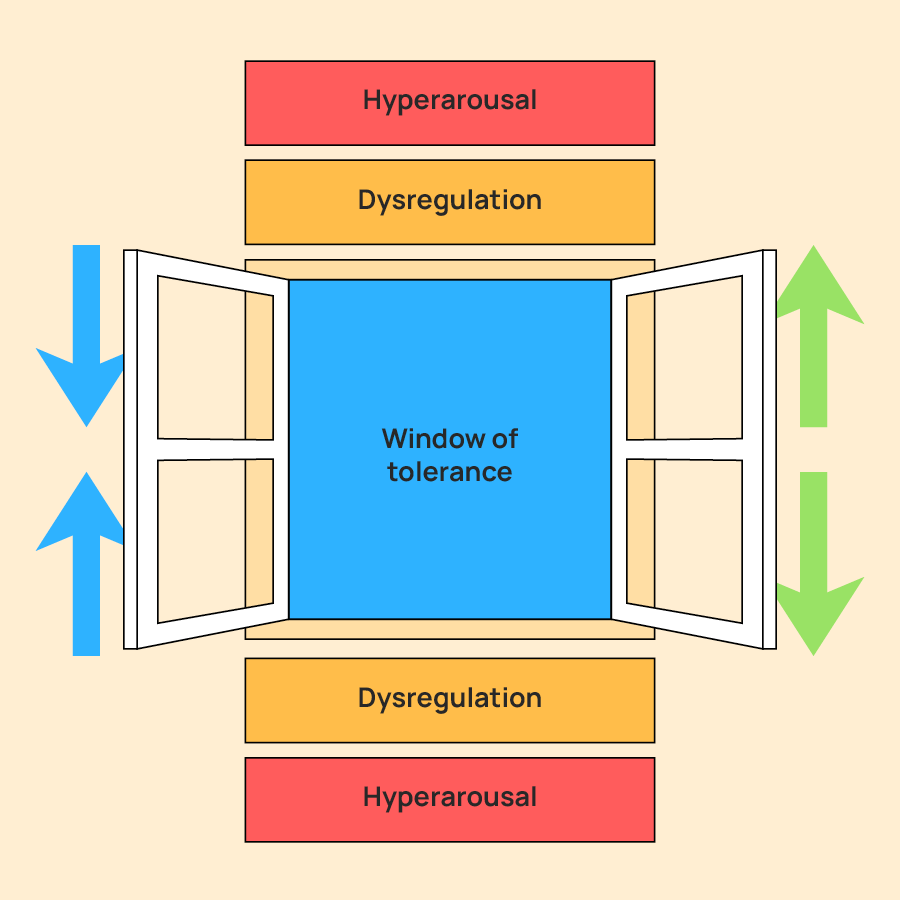
The Stress window
Looking at this from an ADHD perspective, if your emotions are high, your capacity can be removed or decreased significantly, meaning you can’t move forward. Similarly, this can have the same impact if you’re sad or uninspired. Getting the systems and processes in place to support good capacity is essential. These might look like some of the examples below:
Controlling negative thoughts
This sounds much easier than it is and is about your self-talk; for example, if you tell yourself, “I’m going to fail, I can never do much of anything, or I’m useless”. This attitude and the language that you use can impact your stress. Switching from “I’m going to fail” to “I’m going to give this my best shot” can shift your focus and allow you to move forward effectively.
To freeze, flee or fight?
It’s the old amygdala hijacking when our essential primitive brain kicks in and takes over how our bodies respond. Now, this part of our brain is brilliant. When we’re in an emergency, we must decide rapidly, but sometimes, this can kick in at the wrong time. When we feel overwhelmed, we have choices about what we can do. This can also be a call to procrastinate because our amygdala overrides our willpower, which decides how we will respond next. Relaxing and moving away from this can be helpful.
Stop the stress
Noticing when you’re getting stressed can be helpful. By removing or moving away from stress, you can make decisions that effectively override your amygdala; for example, tapping and affirmative statements can be helpful. Also, removing yourself from the situation for a short period can be hugely beneficial, as it will allow you to take a step back to gain perspective and work out what to do next.
Keeping it simple
Often, when approaching tasks and activities, you can overcomplicate what you need to do; for example, you might have a ton of tasks to complete on your to-do list, which is overwhelming. There’s a good argument for recording what needs to be done, but is it helpful to keep looking at your to-do list, which can make you feel stressed? Reducing your list’s visibility once compiled may be more effective. Focus on one thing at a time, keeping it simple and moving forward. As a side note, simple is often not easy, so don’t beat yourself up if you’ve decided simple is best. It’s probably been a long journey to get there!
Make a manageable plan
It’s easy to overcomplicate planning because we can all overthink. This can be debilitating. What is often better is to create a plan for the short term and then work out what to do next. For example, I will do this for thirty minutes and then review my progress. What went well, and what would improve the next thirty minutes? It’s also helpful to do short tasks to get yourself moving forward. It’s like a workout at the gym; start with something easy to warm up before you move on to heavier weights or chunkier tasks. In the same way, it’s a good idea to do some more manageable functions at the end of the day when you’re winding down. Keep your plan simple and treat your body with respect.
Create time to think
For example, if you’re caught in a conversation pressuring you to make a decision you are not confident about, it’s pushing you into a place where you’re feeling overwhelmed. It can often be helpful to acknowledge the importance of what’s going on and then say, “I need to take a moment to think about that”. That way, you create time to make high-quality decisions and help yourself manage any anxiety.
Get some accountability
There are loads of ways to do this. It might be talking to someone you know or a work colleague. Being accountable for what you’re doing, maybe even doing some work together can be helpful when managing stress. It enables you to partner with someone, which is essential because you can manage your stress together. Sometimes, this is called body doubling, but that term sounds strange to me.
Recognise it’s okay not to finish a task in one go
Allowing yourself not to finish a task is OK. I’d go as far as to say it’s a good habit to break tasks into smaller chunks. Then, you can make a start, reflect on your progress and complete the next section, often making the finished product far better. You’ll finish the beginning, the middle, and the end and reap the benefits of three finishes for the price of one.
Make a plan in the diary
If things need to be done and they need to be done at a particular time, why try to hold that information in your short-term memory? Often, this can be a real challenge, so having a diary can help, especially if it’s a recurring event. Then you don’t need to think about it anymore. You need to turn up and follow your diary. When you’re looking at diary management, I would also recommend that you factor in times for reflection and downtime. If you don’t, you can fill every moment without considering your energy levels.
As you can see, there are several steps to manage your capacity. What’s important is to recognise what’s good enough for now. Then, you can determine which step you want to tackle next. You don’t need to do it all in one go, and if you’re working or supporting someone struggling with some of these areas, I’d always encourage you to take it gently and progress one step at a time.
When you’re ready, here are three ways we can connect:
- Interested in one-on-one coaching? Fill out the contact form, and I’ll get back to you as soon as possible.
- Subscribe to my monthly newsletter for my latest insights and tools into neurodiversity.
- Connect with me on LinkedIn to see my latest posts.
